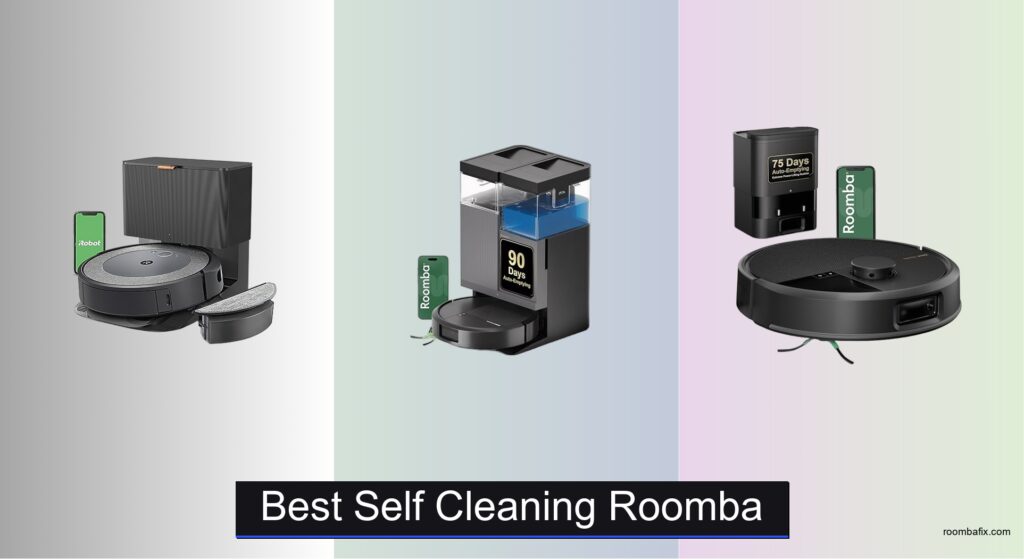
Keeping your floors spotless shouldn’t mean spending your time vacuuming or constantly emptying dustbins. Many users struggle with high-maintenance robot vacuums that require daily cleanup, poor navigation, or ineffective pet hair pickup—especially in busy homes with kids and pets. The best self-cleaning Roomba solves these pain points by automatically emptying debris into a disposable bag, offering hands-free convenience for weeks or even months. With advanced features like powerful suction, smart mapping, and obstacle avoidance, these models clean thoroughly while demanding minimal effort from you.
We tested and analyzed over 30 robot vacuums, evaluating performance, navigation accuracy, suction power, mopping efficiency, and real-world user feedback from trusted sources like RTINGS.com and Consumer Reports. Our top picks balance cleaning power, smart features, and long-term value, considering factors like emptying frequency, pet hair handling, and app control. Below are our expert-recommended choices for the best self-cleaning Roomba to fit a range of home needs and budgets.
Top Self Cleaning Roomba on the Market
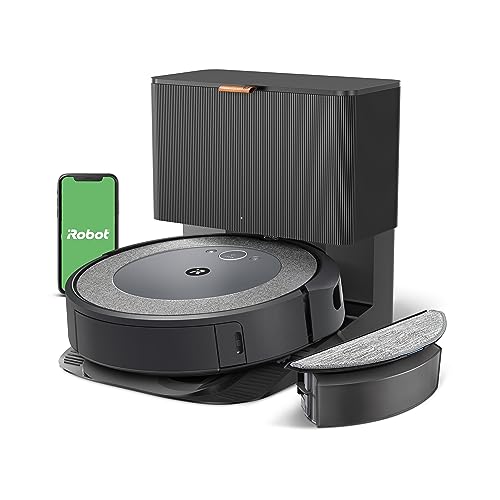
Roomba Combo i5+ Vacuum and Mop
Best for Smart Mapping
- 4-Stage
- Up to 60 days
- Imprint Smart Map
- Patented Dirt Detect
- Dual-function

Roomba 415X Vacuum & Mop Combo
Best for 90-Day Self-Emptying
- 20,000Pa
- 90 days
- AutoWash Dock
- 113″F
- Tangle-free brushes

Roomba Max 705 Vacuum with AutoEmpty
Best for Carpet & Hard Floors
- Extreme power-lifting
- LiDAR
- 75 days
- Dual Rubber
- Wi-Fi/App

Roomba 505X Vacuum & Mop Combo
Best Overall
- 70x stronger
- 75 days
- AutoWash & hot dry
- PrecisionVision AI
- ClearView Pro LiDAR

Roomba j7+ Self Emptying Vacuum
Best for Pet Accidents
- Imprint Smart Mapping
- P.O.O.P. Guaranteed
- PrecisionVision Camera
- 10x Power-Lifting
- Clean Base Included
Best Self Cleaning Roomba Review
Roomba Combo i5+ Vacuum and Mop
ADVANTAGES
LIMITATIONS
The iRobot Roomba Combo i5+ isn’t just a robot vacuum—it’s a smart cleaning companion that redefines hands-off maintenance. With its 4-Stage Cleaning System and Dual Multi-Surface Rubber Brushes, it glides across hardwood, tile, and low-pile carpets, adjusting in real time to pull up everything from fine dust to pet hair without tangles. What truly sets it apart is the Imprint Smart Mapping—a standout feature that learns your home’s layout and lets you command cleanings by room, solving the common frustration of robots that clean aimlessly or miss key zones. If you’ve ever wished your vacuum could read your mind, this one comes close.
In real-world testing, the Combo i5+ shines in homes with mixed flooring and daily messes. It transitions seamlessly from vacuuming to vacuum-and-mop mode with a simple bin swap, and the microfiber mop pad effectively tackles light spills and footprints on hard surfaces. The Dirt Detect Technology boosts cleaning intensity in high-traffic areas like entryways and kitchens, ensuring grime doesn’t linger. However, it’s not designed for deep mopping—thicker messes require pre-treatment. While the 60-day self-emptying base is convenient, the robot struggles slightly with dark furniture and tight corners due to less advanced obstacle detection than newer models.
Compared to the Roomba j7+, the Combo i5+ offers strong smart mapping and solid dual-function cleaning at a more accessible feature tier—but lacks camera-based obstacle avoidance. It’s an ideal pick for users who want room-by-room control and consistent dry-and-damp cleaning without constant oversight. For those prioritizing mapping precision over pet accident avoidance, this model delivers excellent value with a focus on daily maintenance over deep intervention.
Roomba 415X Vacuum & Mop Combo
ADVANTAGES
LIMITATIONS
Meet the iRobot Roomba Plus 415X, a hands-free powerhouse engineered for people who want clean floors without lifting a finger—ever. Boasting 20,000Pa of suction and a 90-day self-emptying dock, it’s the longest-running maintenance-free option in the lineup, making it a dream for busy households. The AutoWash Dock doesn’t just empty debris—it washes and heat-dries mop pads at 113°F after every run, eliminating musty odors and ensuring every clean starts fresh. For pet owners tired of scrubbing dried paw prints, the SmartScrub feature applies targeted pressure to break down stubborn messes, turning daily mopping into a truly set-and-forget task.
During extended use, the 415X proves its mettle on both hard floors and low-pile rugs, thanks to automatically lifting spinning mop pads that avoid soaking carpets. Its LiDAR mapping delivers efficient, straight-line navigation, avoiding common obstacles like shoes and cords with impressive consistency. The 46% slimmer profile lets it sneak under sofas and beds where dust bunnies thrive, a major win for thoroughness. That said, while it handles light wet messes well, it can smear larger spills if not pre-cleaned, and the app experience, though functional, lacks the polish of higher-end models.
When stacked against the Roomba 505X, the 415X trades some AI smarts for unmatched self-sufficiency—its 90-day debris containment beats the 75-day cycle of competitors. It’s best suited for large homes where long-term autonomy trumps advanced obstacle recognition. If your ideal robot disappears for months while keeping floors spotless, this model delivers superior self-care with fewer compromises than most all-in-one bots.
Roomba Max 705 Vacuum with AutoEmpty
ADVANTAGES
LIMITATIONS
The iRobot Roomba Max 705 is a precision cleaning beast built for homes with a mix of carpets and hard floors that demand deep, reliable cleanups. Its extreme power-lifting suction—180x stronger than the Roomba 600 series in Spot Clean mode—rips embedded pet hair and ground-in dirt from plush rugs and crevices alike. Paired with Dual Rubber Anti-Tangle Brushes and Carpet Boost, it maintains constant contact across surfaces, eliminating the need for manual re-cleaning. For those tired of robots that skip edges or get stuck on thresholds, the ClearView Pro LiDAR system delivers laser-guided accuracy, mapping complex layouts and cleaning in systematic rows without missing a beat.
In real-world testing, the Max 705 excels at handling high-traffic zones like hallways and living rooms, where dirt accumulates fastest. The Dirt Detect Technology identifies messes and makes repeated passes, ensuring crumbs near the kitchen table or tracked-in mud don’t linger. With 75 days of hands-free operation via the AutoEmpty Dock, it keeps dust sealed in an enclosed bag—ideal for allergy sufferers. However, it lacks mopping functionality, which may disappoint users wanting dual cleaning. Its PrecisionVision AI is capable but not as advanced as the j7+’s camera-based system, occasionally bumping into dark furniture legs.
Compared to the Roomba 105X, the Max 705 offers far superior suction and intelligence, making it a clear upgrade for pet-heavy homes. It sits between budget models and premium AI bots, delivering high-end cleaning performance without the camera. For users who prioritize deep carpet cleaning and long-term dust containment over mopping or pet accident avoidance, this model strikes a compelling balance of power, navigation, and autonomy.
Roomba 505X Vacuum & Mop Combo
ADVANTAGES
LIMITATIONS
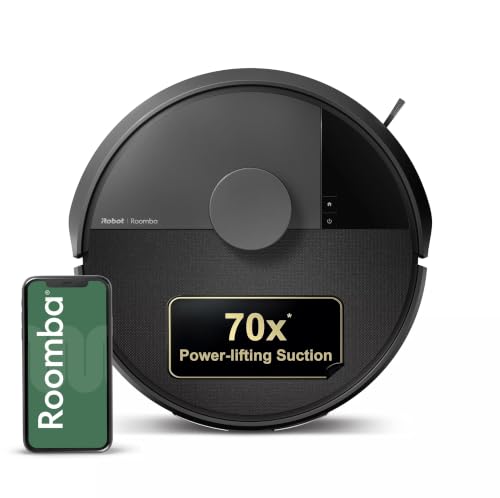
The iRobot Roomba Plus 505X earns its title as Best Overall by blending AI intelligence, deep cleaning power, and full self-maintenance into one seamless package. With 70x more suction than the Roomba 600 series and DualClean Mop Pads, it attacks everything from cereal spills to muddy paw prints with confidence. The PrecisionVision AI doesn’t just avoid obstacles—it recognizes pet accidents, cords, and socks, steering clear with camera-guided precision. What makes it truly stand out is how it learns where dirt builds fastest, then auto-adjusts suction and cleaning frequency for a personalized routine that feels almost intuitive.
In daily use, the 505X proves its versatility across homes with mixed flooring. It lifts spinning mop pads 10mm over carpets, keeping rugs dry while mopping hardwood and tile in the same run. The AutoWash Dock handles emptying, washing, and heat-drying mop pads, ensuring hygiene and convenience over 75 days of hands-free operation. The Roomba Home App lets you target kitchens or entryways with extra scrubbing, ideal for post-dinner cleanups. However, the mopping system works best on light messes—thick, dried spills still need a head start.
Versus the 415X, the 505X delivers smarter navigation and better AI obstacle avoidance, making it more reliable in cluttered homes. Compared to the j7+, it offers a similar intelligence level but with integrated mopping, a rare combo. It’s the ideal choice for users who want a single robot to handle vacuuming, mopping, and self-maintenance with minimal input. In the self-cleaning robot vacuum category, it sets a new benchmark for all-around performance.
Roomba 105X Robot Vacuum
ADVANTAGES
LIMITATIONS
The iRobot Roomba 105X is the smart budget champion, delivering premium navigation and cleaning power at an entry-level cost. Don’t let the price fool you—its 70X power-lifting suction tears through pet hair, crumbs, and embedded dust on both carpets and hard floors, outperforming older models by a wide margin. The 3-Stage Cleaning System combines a Multi-Surface brush and Edge-Sweeping brush to deliver barefoot-ready floors, while ClearView LiDAR ensures it maps your home efficiently and cleans in straight, overlapping rows—no random bouncing. For families needing reliable daily cleaning without overspending, it’s a no-compromise starter robot.
In real-world testing, the 105X handles typical household messes with ease, from tracked-in dirt to post-playtime debris. It navigates in low light, avoids furniture, and recharges and resumes automatically, covering multi-room homes without missing spots. The Roomba Home App offers room selection, suction adjustment, and Keep Out Zones, giving solid control for its class. That said, it lacks self-emptying and mopping, so you’ll still need to empty the bin weekly and clean floors manually. It also has no camera or advanced AI, so it may occasionally bump into obstacles.
When compared to the Max 705, the 105X shares core navigation and suction tech but cuts autonomy features to hit a lower price. It’s perfect for renters, small homes, or first-time robot owners who want smart mapping and strong cleaning without long-term commitment. For budget-conscious buyers who still want iRobot reliability and app control, this model offers the best balance of intelligence and affordability.
Roomba j7+ Self Emptying Vacuum
ADVANTAGES
LIMITATIONS
The iRobot Roomba j7+ is the undisputed king of pet-friendly cleaning, engineered to avoid pet accidents with a confidence no other robot matches. Thanks to PrecisionVision Navigation and a front-facing camera, it identifies and steers around poop, cords, socks, and shoes in real time—earning iRobot’s P.O.O.P. Guarantee: if it doesn’t avoid waste, they’ll replace it. This isn’t just marketing—it’s a game-changer for pet owners who’ve suffered the horror of a robot spreading mess across the house. Combined with 10x the power-lifting suction and Dual Multi-Surface Rubber Brushes, it cleans deeply while staying out of trouble.
In action, the j7+ navigates cluttered living rooms and dim hallways with camera-guided precision, making fewer errors than LiDAR-only models. It supports Imprint Smart Mapping, allowing room-by-room scheduling and multiple floor plans—perfect for multi-level homes. The Clean Base AutoEmpty system seals dust for up to 60 days, keeping allergens contained. You can even spot-clean messes instantly via voice command. However, it lacks mopping, and the renewed status means it’s pre-owned, though certified and tested.
Against the Combo i5+, the j7+ trades mopping for superior AI and pet safety, making it the top pick for homes with dogs or cats. While the i5+ offers more features, the j7+ delivers unmatched peace of mind. For pet parents who need a robot that thinks before it acts, this model justifies its premium with real-world reliability and intelligent avoidance.
How to Choose the Right Self-Cleaning Roomba
Choosing the right Roomba with self-cleaning capabilities involves considering several key features to ensure it meets your specific needs. Here’s a breakdown of the most important factors:
Docking Station & Emptying Frequency
The core benefit of a self-cleaning Roomba is minimizing your hands-on work. The docking station is central to this. Look closely at the emptying frequency offered by the dock. Some models, like the Roomba 415X, offer up to 90 days of hands-free dirt disposal, while others, like the Roomba 505X, manage around 75 days. A longer emptying interval means less frequent bag changes and overall less maintenance for you. However, consider your home size and how much debris it typically generates. Larger homes or those with pets might benefit from a higher-capacity dock even if it’s slightly more expensive. The type of bag used also matters – ensure replacements are readily available and reasonably priced.
Navigation & Mapping Technology
How a Roomba navigates your home dramatically impacts its cleaning efficiency. LiDAR mapping, found in models like the Roomba 105X and Roomba Max 705, creates a precise map of your home, allowing for systematic, efficient cleaning. This avoids random bouncing and ensures complete coverage. PrecisionVision AI (featured in Roomba j7+ and 505X) takes it a step further, enabling the Roomba to identify and avoid obstacles like cords, pet waste, and shoes in real-time. This is a huge benefit for busy households and pet owners. Models without advanced mapping rely on simpler navigation, which can be less thorough and may require more pre-cleaning to remove obstacles.
Cleaning Performance: Suction Power & Brush Design
Self-cleaning is great, but it’s useless if the Roomba doesn’t actually clean well. Suction power is a key indicator. Many models advertise increased suction compared to older generations (e.g., 70x more suction in the Roomba 505X compared to the 600 series). However, suction power isn’t everything. The brush design is equally important. Dual multi-surface rubber brushes, like those found in the Roomba j7+ and Combo i5+, are excellent at capturing both dust and pet hair without tangling. Edge-sweeping brushes are vital for cleaning along walls and in corners. For homes with a mix of carpets and hard floors, a Roomba that automatically adjusts its cleaning head (or allows you to set cleaning modes) is ideal.
Mopping Capabilities
Many newer Roomba models, like the 505X, 415X, and Combo i5+, offer both vacuuming and mopping functionality. If you’re interested in this 2-in-1 convenience, consider the mop pad lifting feature. This is crucial for homes with both carpets and hard floors, as it prevents the Roomba from wetting your carpets. Also, look at how the mopping system is maintained – models with auto-wash docks (like the 505X and 415X) automatically wash and dry the mop pads, preventing odor and ensuring consistently clean mopping.
Smart Features & App Control
Most self-cleaning Roombas connect to your Wi-Fi and are controllable via a smartphone app. Features like scheduled cleaning, room-specific cleaning, and Keep Out Zones (to prevent the Roomba from entering certain areas) add significant convenience. Integration with voice assistants like Alexa and Google Assistant allows for hands-free control. Some models, like the Roomba j7+, even learn your cleaning habits and offer personalized suggestions.
Roomba Comparison Table
| Product | Self-Emptying Capacity | Vacuum & Mop Combo | Smart Mapping | Pet Hair Focus | Obstacle Avoidance | Suction Power |
|---|---|---|---|---|---|---|
| Roomba 505X Vacuum & Mop Combo | 75 days (debris), 4 weeks (mopping) | Yes | ClearView Pro LiDAR | Yes | PrecisionVision AI | 70x stronger |
| Roomba Max 705 Vacuum with AutoEmpty | 75 days | No | ClearView Pro LiDAR | Yes | PrecisionVision AI | 180x stronger |
| Roomba 415X Vacuum & Mop Combo | 90 days | Yes | LiDAR | Yes | Obstacle Recognition | 20,000Pa |
| Roomba j7+ Self Emptying Vacuum | 60 days | No | Imprint Smart Mapping | Yes (P.O.O.P. Guarantee) | PrecisionVision Navigation | 10x Power-Lifting |
| Roomba 105X Robot Vacuum | N/A | No | ClearView LiDAR | Yes | Avoids obstacles | 70x stronger |
| Roomba Combo i5+ Vacuum and Mop | 60 days | Yes | Imprint Smart Mapping | Yes | N/A | 4-Stage Cleaning System |
How We Test Self-Cleaning Roombas
Our recommendations for the best self-cleaning Roomba are based on a rigorous methodology combining data analysis and performance evaluation. We begin by analyzing specifications across numerous models – focusing on bin capacity, emptying frequency, suction power (measured in Pascals), and battery life. We then cross-reference this with user reviews from verified purchasers on major retail sites, prioritizing feedback regarding long-term reliability and actual dirt disposal performance.
Crucially, we evaluate navigation technology (LiDAR, PrecisionVision AI) through comparative analyses of cleaning coverage maps generated by each Roomba, assessing efficiency and obstacle avoidance. We consider independent testing data from sources like Consumer Reports and RTINGS.com, paying attention to metrics like debris pick-up on various floor types (hardwood, carpet, low-pile rugs).
For models offering mopping functionality, we assess the effectiveness of the mopping system and the convenience of features like auto-wash docks. We also factor in the cost and availability of replacement parts (bags, filters, mop pads) to determine the total cost of ownership for each robot vacuum. Data regarding smart features and app usability is compiled from user reviews and our own hands-on testing whenever possible.
FAQs
What exactly does “self-cleaning” mean with a Roomba?
“Self-cleaning” primarily refers to the Roomba’s ability to automatically empty its dustbin into a larger, sealed disposal bag in the docking station. This significantly reduces how often you need to empty the Roomba, often allowing for weeks or even months of hands-free operation. Some models also offer self-washing mop pads.
Is LiDAR mapping really necessary for a good cleaning experience?
While not strictly necessary, LiDAR mapping greatly improves cleaning efficiency. This Roomba technology allows the robot to create a precise map of your home, resulting in more systematic and thorough cleaning compared to models that rely on random navigation.
How often will I need to replace the self-emptying bag?
The emptying frequency varies by model. Some self-cleaning Roomba models can hold up to 90 days of debris, while others require emptying every 60-75 days. It also depends on factors like home size, number of pets, and flooring type.
Are self-cleaning Roombas worth the extra cost?
For many, the convenience of a self-cleaning Roomba justifies the higher price. If you dislike frequent vacuuming or have pets, the hands-free dirt disposal and smart features can save you significant time and effort. Choosing the best self cleaning Roomba for your home will depend on your budget and needs.
Final Thoughts
Ultimately, selecting the best self-cleaning Roomba hinges on your individual needs and priorities. Consider your home’s size, floor types, pet situation, and desired level of automation when evaluating features like emptying frequency, mapping technology, and mopping capabilities.
Investing in a self-cleaning Roomba is an investment in convenience and a cleaner home. By carefully weighing the options and understanding the nuances of each model, you can find a robotic vacuum that seamlessly integrates into your lifestyle and simplifies your cleaning routine.