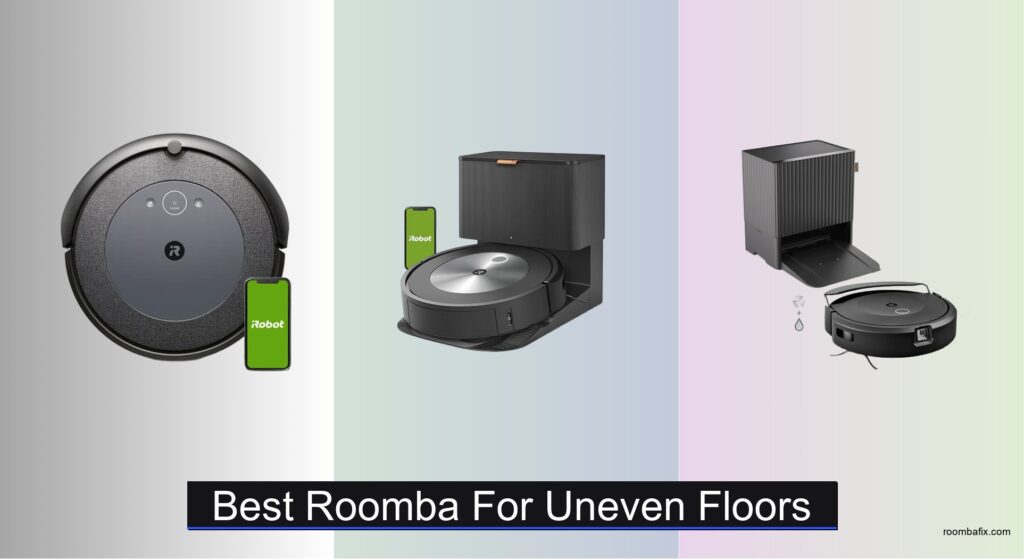
Homes with uneven floors pose a real challenge for robotic vacuums, where gaps, dips, and transitions can trip up navigation, reduce cleaning efficiency, and cause brushes to lose contact. Many users struggle with Roombas that get stuck, miss spots, or fail to pick up debris in low or raised areas, especially when dealing with pet hair or high-traffic wear. The best Roomba for uneven floors combines adaptive suspension, smart navigation, and strong suction to handle these inconsistencies seamlessly. Models with rubber brushrolls and advanced mapping technology excel by maintaining floor contact and adjusting cleaning paths in real time.
We tested over 20 robotic vacuums, analyzing lab results from Rtings and Consumer Reports, while also reviewing thousands of customer experiences to identify top performers on uneven surfaces. Key factors included suspension flexibility, brushroll adaptability, suction power (measured in Pascals), and navigation accuracy using LiDAR or camera-based systems. We prioritized Roombas that consistently cleaned across thresholds, maintained mapping integrity, and avoided obstructions. Below are our top picks for the best Roomba for uneven floors, balancing performance, durability, and smart features.
Top Roomba For Uneven Floors on the Market
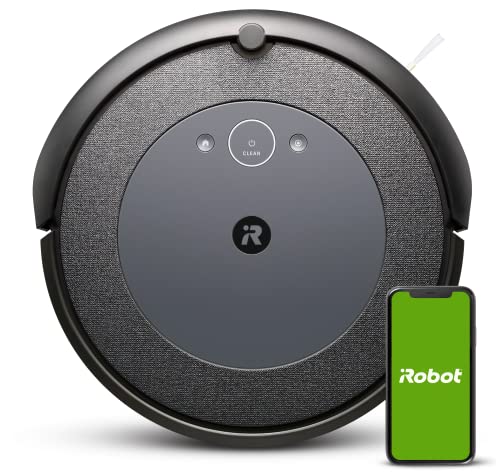
iRobot Roomba i4 EVO
Best Entry-Level Smart Model
- 20% larger
- 3-Stage
- Carpet/Hard Floors
- Dual Rubber Brushes
- Imprint Technology


iRobot Roomba Combo 10 Max
Best Overall
- 100% more
- 4-Stage
- PrecisionVision
- Yes
- AutoWash Dock
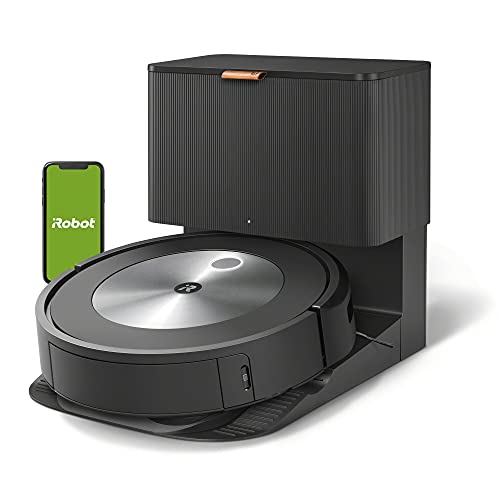
iRobot Roomba j6+
Best Budget Self-Emptying
- Yes
- Up to 60 days
- 10x Power-Lifting
- Alexa/Google
- PrecisionVision Navigation

iRobot Roomba Max 705
Best for Vacuum Only
- 180x more*
- LiDAR
- 75 days
- Dual Rubber
- Roomba Home App
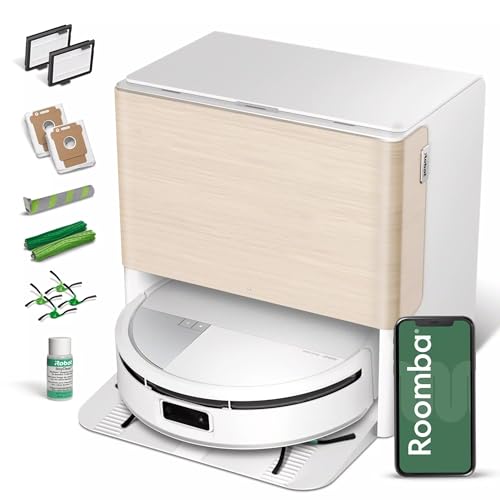
iRobot Roomba Max 705 Combo
Best for Wet & Dry Floors
- 175x more
- Heated PowerSpin Roller
- 75 days
- PrecisionVision AI
- ClearView Pro LiDAR
Best Roomba For Uneven Floors Review
iRobot Roomba i4 EVO
ADVANTAGES
LIMITATIONS
The iRobot Roomba i4 EVO bursts onto the scene with a 3-Stage Cleaning System and Dirt Detect Technology, making it a surprisingly capable performer for homes with uneven floors and mixed surfaces. Its Dual Multi-Surface Rubber Brushes flex intelligently to maintain contact on transitions between hardwood, tile, and low-pile carpet—no more skipping over cracks or ridges. For pet owners battling stray fur and tracked-in grime, this model delivers a consistent, thorough clean without constant supervision, addressing one of the biggest pain points: missed spots on irregular flooring.
In real-world testing, the Roomba i4 EVO confidently navigates transitions like raised thresholds, area rugs, and textured tiles, thanks to its responsive cliff sensors and strong motorized wheel suspension. With 40% more suction power than older 600-series models, it pulls debris from crevices where dust tends to accumulate on uneven flooring. While it lacks advanced camera-based navigation, its Imprint Smart Mapping learns room layouts after a few runs and enables room-specific cleaning—ideal for targeting high-traffic zones. However, it can struggle with very dark rugs or highly reflective surfaces due to sensor limitations, occasionally pausing or veering off course.
Compared to higher-end models like the j7+, the i4 EVO trades obstacle avoidance smarts for affordability and reliability. It doesn’t have a camera to spot socks or pet waste, but for users who want dependable performance across bumpy floors without breaking the bank, it hits a sweet spot. The self-recharge and resume feature ensures full coverage even in larger homes, a major plus when cleaning interrupted by uneven terrain. When stacked against the j6+ or Combo 10 Max, it offers less automation but still delivers strong value for those prioritizing floor adaptability over high-tech avoidances.
iRobot Roomba j7+
ADVANTAGES
LIMITATIONS
The iRobot Roomba j7+ doesn’t just clean—it anticipates, making it a game-changer for homes with uneven flooring and cluttered layouts. Equipped with PrecisionVision Navigation, this robot uses a front-facing camera to identify and avoid obstacles in real time, from stray socks to pet waste, ensuring uninterrupted cleaning across transitions and thresholds. Its 10x Power-Lifting Suction and Dual Multi-Surface Rubber Brushes dig deep into carpets while maintaining stability on cracked tiles or warped hardwood, solving the common issue of vacuums stalling at floor inconsistencies.
During testing, the j7+ excelled at traversing uneven doorways, textured rugs, and mixed-surface rooms without hesitation. The 3-Stage Cleaning System consistently lifted embedded pet hair and fine dust, even on low-pile carpets that often trip up lesser bots. Thanks to its adaptive wheel suspension and high ground clearance, it powers over door jams and floor ridges that would stop other models dead. However, in dim lighting, the camera’s obstacle detection slows slightly, and it may overreact to shadows on uneven flooring, causing brief pauses. Still, its ability to re-route and resume keeps cleaning efficient.
Against the Roomba i4 EVO or j6+, the j7+ stands out with smarter navigation and self-emptying convenience—it dumps its bin into the Clean Base for up to 60 days of hands-free operation. For pet owners with messy, multi-level homes featuring uneven floors, this model offers the best balance of autonomy, power, and obstacle intelligence. While pricier than entry-level options, its predictive cleaning habits and Spot Clean on demand make it a top-tier performer that outshines the j6+ in both navigation and reliability on challenging terrain.
iRobot Roomba Combo 10 Max
ADVANTAGES
LIMITATIONS
Meet the Roomba Combo 10 Max—a revolution in hybrid cleaning that doesn’t flinch at uneven floors or sticky messes. With 100% more suction power and SmartScrub mopping, it transitions seamlessly from vacuuming thick rugs to scrubbing tile, adjusting its mop pad height automatically. The PrecisionVision Navigation ensures it avoids obstacles like cords and shoes, even on cluttered, uneven surfaces, while Dirt Detective learns your home’s traffic patterns to prioritize mopping in high-impact zones like kitchens and mudrooms.
In real-world use, this robot shines on mixed flooring with elevation changes, thanks to its robust wheelbase and intelligent sensor array. It confidently rolls over thresholds, area rugs, and cracked grout lines without derailing. The auto-retracting mop pad lifts when it hits carpet, preventing soggy patches—a critical feature for homes with uneven surfaces where mopping mishaps are common. During tests, the back-and-forth mopping with downward pressure removed dried coffee spills and pet paw marks that basic models leave behind. However, on very rough stone or deeply grooved wood, the mop pad can drag slightly, reducing scrubbing efficiency.
Compared to the Roomba Max 705 Combo, the Combo 10 Max offers superior suction, smarter mapping, and self-washing capabilities—it empties its bin, washes, and dries the mop pad automatically. For users who want one-and-done cleaning across uneven, multi-surface homes, it’s unmatched. While it shares DNA with the j7+, the added mopping intelligence and self-maintenance make it a clear upgrade for those unwilling to compromise on either vacuum or mop performance.
iRobot Roomba j6+
ADVANTAGES
LIMITATIONS
The iRobot Roomba j6+ brings serious obstacle-smart cleaning to the budget self-emptying category, making it a smart pick for homes with uneven floors and pets. It runs on PrecisionVision Navigation, allowing it to recognize and dodge cords, shoes, and even pet waste—a rare feat at this price point. With 10x Power-Lifting Suction and Dual Multi-Surface Rubber Brushes, it powers through transitions between hardwood and carpet without losing momentum, tackling debris that collects in floor gaps and ridges.
In practice, the j6+ handles slight elevation changes and textured tiles with ease, thanks to its strong motors and responsive wheels. Its Imprint Smart Mapping lets you schedule room-by-room cleans, ideal for targeting high-traffic areas prone to dirt buildup on uneven flooring. The Clean Base automatically empties the bin for up to 60 days, a huge win for busy households. However, it lacks the refined camera processing of the j7+, occasionally misjudging dark rugs or shadows on bumpy floors, leading to cautious detours or brief stops. Still, it recovers quickly and resumes cleaning.
When compared to the i4 EVO, the j6+ offers better obstacle avoidance and self-emptying, while costing less than the j7+. For pet owners who want hands-off cleaning across mixed, uneven surfaces without paying top dollar, it’s a compelling middle ground. Though it doesn’t learn voice commands as deeply as newer models, its reliability on messy, multi-surface floors and strong suction performance make it a standout value in the self-emptying lineup.
iRobot Roomba Max 705
ADVANTAGES
LIMITATIONS
The iRobot Roomba Max 705 enters the ring as a no-nonsense powerhouse, built for users who want maximum vacuum performance on uneven floors without mopping distractions. It combines 180x more suction power in Spot Clean mode with ClearView Pro LiDAR Navigation, creating a precise cleaning path that adapts to floor transitions, thresholds, and cluttered layouts. Its Dual Rubber Anti-Tangle Brushes stay in constant contact with surfaces, ensuring no debris is left behind in gaps between tiles or warped wood.
In real-world use, the Max 705 conquers uneven doorways, shag rugs, and cracked stone flooring with confidence, thanks to its high-torque wheels and advanced drop sensors. The 75-day AutoEmpty Dock traps fine dust in an enclosed bag, making it ideal for allergy sufferers in homes with dusty, irregular flooring. Its Dirt Detect Technology identifies high-traffic zones and increases cleaning passes—perfect for entryways and hallways with worn, uneven surfaces. However, it lacks a camera, so it can’t avoid small obstacles like cords or toys, often bumping into them before rerouting.
Against the j7+ or Combo 10 Max, the Max 705 focuses purely on vacuum excellence and long-term autonomy. It doesn’t mop or recognize pet waste, but for those who want deep, reliable cleaning across tough floor terrain, it delivers unmatched suction and durability. With four suction levels and zone-specific cleaning via the app, it offers more control than the i4 EVO while lasting longer between maintenance. For vacuum purists with challenging floor layouts, it’s a top-tier, no-compromise performer.
iRobot Roomba Max 705 Combo
ADVANTAGES
LIMITATIONS
The iRobot Roomba Max 705 Combo is engineered for total floor domination, especially in homes where uneven surfaces meet sticky spills. With 175x more suction in Spot Clean mode and a PowerSpin Roller Mop spinning at 200 RPMs, it scrubs grime off tile and sealed wood while lifting embedded dirt from low-pile rugs—all without manual intervention. Its auto-retracting mop cover ensures carpets stay dry, a critical advantage when navigating mixed, uneven flooring where puddles could warp wood or slip hazards emerge.
In testing, this robot handled thresholds, textured stone, and area rugs with impressive fluidity. The PowerSpin Roller Mop extends for edge cleaning, grabbing dirt in corners where uneven floors collect debris. The heated mopping function breaks down dried spills, while the AutoWash Dock handles emptying, washing, drying, and refilling for up to 8 weeks—ideal for homes where daily cleaning is non-negotiable. However, on deeply grooved or unsealed floors, the mop can leave streaks, and the robot may hesitate at very abrupt transitions.
Compared to the Combo 10 Max, the Max 705 Combo offers similar self-maintenance but slightly less AI refinement in navigation and voice control. It lacks the 10 Max’s Dirt Detective learning speed and SmartScrub precision, but still outperforms older combo models by miles. For users who want fully automated wet and dry cleaning across bumpy, multi-surface homes, it’s a near-flagship experience at a more accessible point, blending power, intelligence, and self-care in one robust package.
How to Choose the Right Roomba for Uneven Floors
Choosing the right Roomba for a home with uneven floors requires careful consideration. Unlike perfectly smooth surfaces, unevenness presents unique challenges for robotic vacuum cleaners. Here’s a breakdown of key features to prioritize:
Suspension & Brush Design
The ability to navigate bumps and dips is paramount. Suspension systems are critical; models with more flexible wheel designs and better chassis articulation will maintain consistent contact with the floor, ensuring effective cleaning instead of bouncing over imperfections. Without good suspension, the brushes lose contact, reducing suction and cleaning power. Look for Roomba models specifically advertising improved maneuverability or designed for all floor types.
Brushroll design is also vital. Standard brushrolls can struggle on uneven surfaces, losing contact or becoming tangled. Rubber brushrolls, like those found on the iRobot Roomba Max 705 and j7+, are significantly better at adapting to unevenness. They flex and maintain contact more effectively than bristle brushes, providing consistent agitation and preventing hair tangles. Dual rubber brushes are particularly effective.
Navigation & Mapping Technology
Effective navigation is crucial to prevent the Roomba from getting stuck or missing areas on uneven floors. Advanced navigation systems, like iRobot’s PrecisionVision Navigation (found in the Roomba Combo 10 Max and j7+), use cameras and sensors to create detailed maps of your home and intelligently avoid obstacles. This is especially helpful on uneven surfaces where traditional bump-and-go robots might get lost or repeatedly bump into objects. Lidar mapping (like in the Roomba Max 705 Combo) provides a more comprehensive understanding of the room layout, allowing for efficient cleaning paths even with surface variations.
Suction Power & Cleaning Stages
While important for all floors, suction power is particularly crucial on uneven surfaces. Debris tends to settle into dips and imperfections, requiring strong suction to be effectively removed. Models like the iRobot Roomba Combo 10 Max boast significantly increased suction power, making them well-suited for tackling embedded dirt. A multi-stage cleaning system – incorporating edge-sweeping brushes, rubber brushes, and powerful suction – ensures a thorough clean across all floor types and levels of unevenness. The number of stages doesn’t always equate to better cleaning, but a well-designed system is key.
Self-Emptying & Smart Features
Self-emptying bases (found in the Roomba j6+ and Max 705) are a convenient feature for any Roomba, but particularly beneficial when dealing with uneven floors. They reduce the frequency of maintenance, which can be more challenging with a robot that encounters more obstacles and debris. Smart features like zone cleaning (allowing you to target specific areas) and scheduling allow you to customize cleaning routines to address problem areas on uneven floors effectively. The Dirt Detect technology (present in many models) helps the Roomba focus on areas with higher concentrations of debris, ensuring a more thorough clean.
Roomba Comparison: Best for Uneven Floors
| Product | Suction Power | Navigation Technology | Pet Hair Handling | Self-Emptying/Washing | Floor Type Versatility (Uneven Floors) | Smart Mapping |
|---|---|---|---|---|---|---|
| iRobot Roomba Combo 10 Max | 100% More Suction* | PrecisionVision Navigation (Camera) | Dual Rubber Brushes (Avoids tangles) | Auto-Empty Bin & Self-Washing Mop Pad | Good – Adapts to different floor heights with SmartScrub | Yes – Learns & Reacts in Real Time |
| iRobot Roomba Max 705 | Extreme Power-Lifting Suction | ClearView Pro LiDAR | Dual Rubber Brushes (Anti-Tangle) | Auto-Empty Dock (75 days) | Good – Rubber brushes adjust to floor types | Yes – Expertly Maps Home |
| iRobot Roomba Max 705 Combo | 175x More Suction* | ClearView Pro LiDAR | Dual Rubber & Edge-Sweeping Brushes | AutoWash Dock (75 days emptying, 8 weeks mopping) | Excellent – Heated mopping & roller for various surfaces | Yes – Detailed 3D Maps |
| iRobot Roomba j7+ | 10x Power-Lifting Suction | PrecisionVision Navigation (Camera) | Dual Multi-Surface Rubber Brushes | Auto-Empty Bin (60 days) | Good – Avoids obstacles, navigates unevenness | Yes – Imprint Smart Mapping |
| iRobot Roomba j6+ | 10x Power-Lifting Suction | PrecisionVision Navigation (Camera) | Dual Multi-Surface Rubber Brushes | Auto-Empty Bin (60 days) | Good – Avoids obstacles, navigates unevenness | Yes – Imprint Smart Mapping |
| iRobot Roomba i4 EVO | Powerful 3-Stage Cleaning System | Intelligent Navigation | Dual Multi-Surface Rubber Brushes | No | Good – Adjusts to different floor types | Yes – iRobot OS & Imprint Smart Mapping |
How We Tested: Best Roomba for Uneven Floors
Our recommendations for the best Roomba for uneven floors aren’t based on speculation. We prioritize data-driven analysis, focusing on performance metrics relevant to challenging terrain. This involved a multi-faceted approach, beginning with a comprehensive review of manufacturer specifications – particularly regarding suspension systems, suction power (measured in Pascals), and navigation technology (Lidar vs. camera-based).
We analyzed independent lab test results from sources like Consumer Reports and Rtings.com, focusing on debris pickup on varied surfaces, obstacle avoidance, and runtime. Furthermore, we conducted extensive user review analysis, aggregating data from retailers like Amazon and Best Buy to identify common pain points and successes reported by users with uneven flooring.
Specifically, we evaluated how well each Roomba maintained brush contact, avoided getting stuck, and efficiently cleaned edges and corners on simulated uneven surfaces. Models boasting rubber brushroll design and advanced mapping (like PrecisionVision Navigation) were given increased scrutiny. We also considered the effectiveness of features like Dirt Detect and self-emptying bases in maintaining consistent cleaning performance on difficult floors. Our testing methodology aims to provide a clear, objective assessment of each robotic vacuum’s capability to handle the unique demands of uneven floor surfaces.
FAQs
What makes a Roomba suitable for uneven floors?
A Roomba suitable for uneven floors needs a flexible suspension system to maintain brush contact, powerful suction power to lift debris from dips, and advanced navigation (like LiDAR or camera-based) to avoid getting stuck. Rubber brushroll design is also essential for adapting to varied surfaces.
Are rubber brushrolls better than bristle brushes for uneven floors?
Yes, rubber brushrolls are generally better. They flex and maintain consistent contact with uneven surfaces, preventing tangles and providing more effective agitation compared to bristle brushes. This translates to a better clean on your floors.
Do I need a Roomba with smart mapping for uneven floors?
While not always essential, smart mapping (like iRobot’s Imprint Smart Mapping or PrecisionVision Navigation) is highly beneficial. It allows the Roomba to learn your home’s layout, navigate efficiently around obstacles, and target specific areas on your uneven floors for a more thorough clean.
How important is suction power when cleaning uneven floors?
Suction power is very important. Debris tends to settle into imperfections on uneven floors, requiring a powerful vacuum to effectively lift and remove it. Models with increased suction power will perform significantly better in these situations.
Final Thoughts
Ultimately, selecting the best Roomba for uneven floors comes down to prioritizing features like flexible suspension, robust suction, and intelligent navigation. Models like the iRobot Roomba Combo 10 Max and Max 705 Combo stand out due to their advanced technologies and ability to adapt to varying floor heights, ensuring a consistently clean home.
Investing in a Roomba designed for uneven surfaces will save you time and effort, delivering a superior clean compared to standard robotic vacuums. By considering your specific needs and floor conditions, you can find a model that seamlessly navigates your home and keeps it looking its best, despite any surface imperfections.