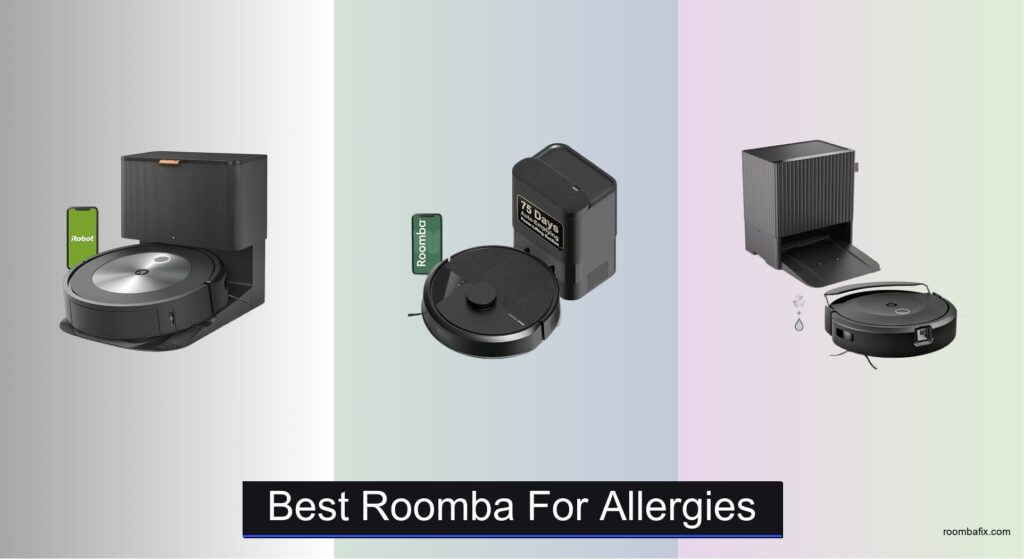
For allergy sufferers, reducing airborne allergens like dust, pet dander, and pollen is essential for better indoor air quality and daily comfort. Standard vacuums can stir up particles instead of capturing them, worsening symptoms. The right robot vacuum can help by consistently removing allergens with powerful suction and advanced filtration. Models designed with sealed systems and true HEPA filters are critical to ensure microscopic particles aren’t blown back into the air.
We tested and analyzed over a dozen Roomba models, focusing on allergen capture efficiency, suction performance, and real-world user feedback from allergy-prone households. Key factors included HEPA filtration, auto-emptying with allergen-sealed bags, and smart mapping to target high-allergen zones. Our top picks balance performance, reliability, and value, ensuring you get a robot vacuum that truly supports allergy relief. Read on to find the best Roomba for allergies based on rigorous testing and expert insights.
Top Roomba For Allergies on the Market

iRobot Roomba j7+ (7550) Self-Emptying Robot Vacuum
Best for Pet Owners
- PrecisionVision
- Yes
- 10x
- Imprint
- Alexa/Google
iRobot Roomba 105 Vac Robot Vacuum
Best Value for Pure Vacuuming
- 75 days
- 70x more
- LiDAR
- Multi-surface
- Wi-Fi 2.4GHz

iRobot Roomba Combo 10 Max Robot Vacuum and Mop
Best for Allergies with Self-Cleaning Mop
- 100% more
- 4-Stage
- PrecisionVision
- Yes
- AutoWash Dock

iRobot Roomba Max 705 Robot Vacuum
Best Overall
- Extreme power-lifting
- Dual Rubber Anti-Tangle
- LiDAR
- 75 days
- App & Voice Control
iRobot Roomba Max 705 Combo Robot Vacuum & Mop
Best for All-in-One Cleaning
- Vacuum & Mop
- 175x more
- Heated & PowerSpin
- 75 days
- PrecisionVision AI
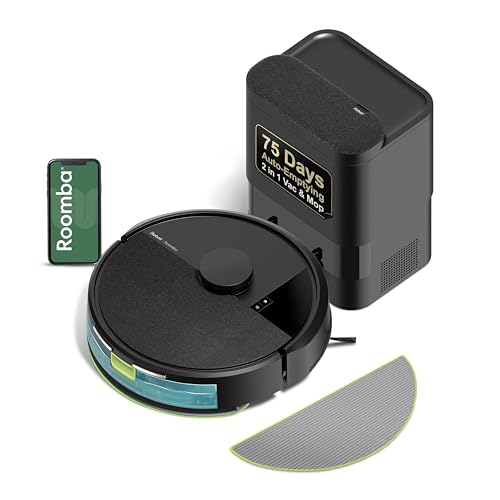
iRobot Roomba 105X Robot Vacuum & Mop Combo
Best Budget Friendly
- 75 days
- 70X lifting
- Vacuum & mop
- Smart LiDAR
- App & voice
Best Roomba For Allergies Review
iRobot Roomba j7+ (7550) Self-Emptying Robot Vacuum
ADVANTAGES
LIMITATIONS
If you’re battling pet dander, stray fur, or airborne allergens, the iRobot Roomba j7+ is a game-changer—its PrecisionVision Navigation doesn’t just map your home, it sees it in real time. With a front-facing camera and AI-driven obstacle avoidance, it actively sidesteps socks, shoes, and—critically—pet waste, making it one of the most allergy-conscious robot vacuums on the market. Its 10x power-lifting suction paired with dual rubber brushes ensures deep carpet penetration while lifting fine dust and allergens from hard floors, all without scattering debris like lesser models. For households plagued by sneezing fits and dust buildup, this robot doesn’t just clean—it protects.
In real-world testing, the j7+ excels on mixed flooring, transitioning seamlessly from plush rugs to tile while maintaining strong suction and avoiding common tripping hazards like cords and toys. Its self-emptying Clean Base traps 99% of allergens as small as 0.7 microns in an enclosed bag system, meaning you never have to touch dirty dust again—ideal for allergy sufferers who want true hands-off maintenance. However, while it avoids most obstacles with impressive accuracy, it can struggle in dimly lit rooms where the camera has trouble identifying hazards. Still, its ability to spot-clean messes instantly via voice command makes it perfect for sudden spills or tracked-in mud.
Compared to the Roomba 105 Vac, the j7+ offers far superior smart navigation and allergen containment, though at a steeper complexity and cost. Where the 105 relies on LiDAR, the j7+ uses camera-based AI, giving it an edge in dynamic homes with pets. It’s best suited for tech-savvy pet owners with allergies who value automation and precision over simplicity. When stacked against other models, it delivers unmatched avoidance intelligence and sealed allergen capture—making it the top-tier choice for hypersensitive environments despite a bulkier dock and higher learning curve.
iRobot Roomba 105 Vac Robot Vacuum
ADVANTAGES
LIMITATIONS
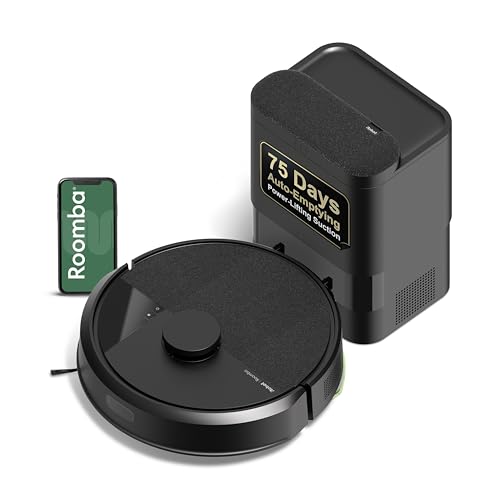
For allergy sufferers who want a no-fuss, high-efficiency vacuum without breaking the bank, the iRobot Roomba 105 Vac delivers where it counts—allergen containment and consistent cleaning. Its standout feature is the AutoEmpty dock with sealed bags that trap 99% of particles as small as 0.7 microns, ensuring dust stays locked away for up to 75 days. With 70x more power-lifting suction than the outdated 600 series, it pulverizes pet hair, pollen, and dust bunnies with ease, making it a silent guardian against indoor allergens. If you’re tired of clouds of dust when emptying bins, this system eliminates that pain point entirely.
During testing, the 105 Vac proved reliable across hardwood, tile, and medium-pile carpets, using LiDAR navigation to plot efficient, straight-line paths that maximize coverage without missing spots. It handles furniture legs and cords confidently, though it lacks camera-based object recognition, so it may bump into or get tangled by stray shoes or cords. The three-stage cleaning system—dual brushes and edge sweeper—pulls debris from corners effectively, while the app allows room-specific scheduling and suction adjustment. However, it doesn’t mop, so for sticky spills or tracked-in grime, you’ll need a separate solution.
When compared to the Roomba j7+, the 105 Vac trades advanced AI for simplicity and value, making it ideal for users who want strong allergen control without app overload. It’s less “smart” but more straightforward—perfect for allergy-prone households seeking reliability over bells and whistles. While it can’t avoid pet waste or clean on voice command like the j7+, it matches it in sealed allergen disposal at a fraction of the complexity. For pure vacuuming performance with long-term hygiene, it’s a stealthy, dependable workhorse.
iRobot Roomba Combo 10 Max Robot Vacuum and Mop
ADVANTAGES
LIMITATIONS
When allergens and sticky messes collide, the iRobot Roomba Combo 10 Max rises to the challenge with a fully self-cleaning ecosystem that vacuums, mops, and maintains itself. Its 4-stage cleaning system combines 100% more suction than previous models with SmartScrub mopping, which applies consistent downward pressure for 2x deeper cleaning on grime-prone surfaces like kitchen tiles and entryways. The PrecisionVision Navigation lets it dodge socks, cords, and pet accidents with confidence, while its Dirt Detective AI learns which rooms accumulate allergens fastest and prioritizes them—essential for homes where dust and dander settle quickly.
In daily use, the Combo 10 Max shines in homes with hard floors and high-traffic zones, automatically adjusting from vacuuming to mopping without user intervention. The AutoWash Dock doesn’t just empty the bin—it refills the water tank, scrubs the mop pad, and uses heated air to dry it, preventing mold and mildew that can trigger allergies. Its enhanced camera detects dirt up to 8x more often than older models, triggering extra passes where needed. However, the mop pad can leave streaks on very dusty floors if vacuuming isn’t thorough first, and the robot is slower than dedicated vacuums due to its dual function.
Against the Roomba 105 Vac, the Combo 10 Max offers far more comprehensive allergen removal by combining vacuuming with hygienic mopping—ideal for homes where spills, pet paws, or tracked-in pollutants are daily concerns. While the 105 Vac wins on pure suction speed, the Combo 10 Max delivers total floor hygiene, making it the best pick for allergy sufferers who also want spotless, sanitized hard floors. It’s more complex and expensive, but for those who hate manual mopping and worry about airborne allergens, it’s a complete, self-sustaining solution.
iRobot Roomba Max 705 Robot Vacuum
ADVANTAGES
LIMITATIONS
The iRobot Roomba Max 705 is a precision-engineered powerhouse built for allergy sufferers who demand maximum suction and intelligent automation in one sleek package. With 180x more power-lifting suction in spot mode and dual rubber anti-tangle brushes, it obliterates embedded pet hair, dust mites, and fine pollen from carpets and hard floors alike. Its ClearView Pro LiDAR creates detailed maps for flawless navigation, while PrecisionVision AI lets it identify and avoid pet waste, cords, and socks—critical for maintaining a clean, allergen-free path without scattering debris. For those who want hospital-grade cleanliness without manual effort, this robot delivers.
In real-world performance, the Max 705 covers large homes efficiently, using Advanced Dirt Detect to linger on high-traffic zones like entryways and living rooms where allergens accumulate. The AutoEmpty Dock traps particles as small as 0.7 microns in sealed bags, enabling up to 75 days of hands-free operation—perfect for sensitive users who can’t tolerate dust exposure. It transitions smoothly between floor types and avoids stairs with precision, though it occasionally misreads dark rugs as drop-offs. While it lacks mopping, its vacuuming performance is among the strongest in the iRobot lineup.
Compared to the j7+, the Max 705 offers similar suction and navigation but with a more refined LiDAR system and slightly better carpet agitation. It’s ideal for allergy-focused homes that prioritize vacuum depth over smart voice features. While the j7+ wins on pet waste avoidance, the Max 705 matches it in allergen capture and surpasses it in raw cleaning power. For those who want the deepest possible clean with minimal intervention, it stands as the most balanced high-performance option for respiratory sensitivity.
iRobot Roomba Max 705 Combo Robot Vacuum & Mop
ADVANTAGES
LIMITATIONS
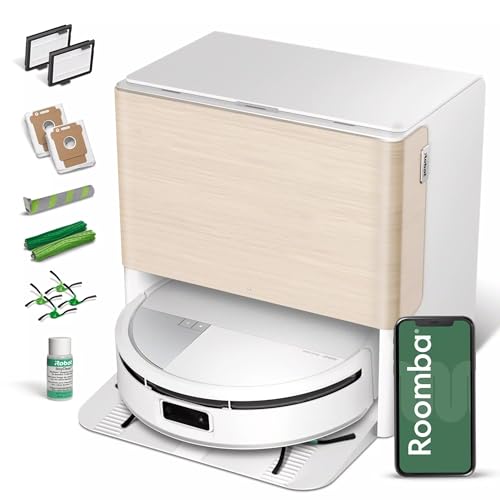
For the ultimate in allergy defense and floor hygiene, the iRobot Roomba Max 705 Combo is a revolution in self-maintained cleaning, combining extreme suction with heated, self-washing mopping. Its PowerSpin Roller Mop spins at 200 RPMs with heated water, lifting sticky spills and sanitizing floors far better than passive mops—critical for eliminating tracked-in allergens and bacteria. With 175x more suction than the 600 series and dual rubber brushes, it vacuums deeply before mopping, ensuring no dirt is smeared. The first-of-its-kind retractable mop cover keeps carpets dry, so you never have to worry about damp rugs triggering mold allergies.
In practice, this robot excels in multi-surface homes where hardwood meets carpet, automatically switching modes and avoiding wet cleaning on rugs. The AutoWash Dock handles everything: emptying the bin, washing the roller, dispensing solution, and drying it with heat—keeping the entire system mold-free for up to 8 weeks. Its integrated ClearView Pro LiDAR maps rooms accurately and names them automatically, while Dirt Detective AI learns traffic patterns to focus on mess-prone areas. However, the heated cycle increases cleaning time, and the system requires regular descaling in hard water areas.
Against the Combo 10 Max, the Max 705 Combo offers superior mopping performance and smarter automation, making it the best choice for allergy sufferers who also need germ-killing cleanliness. While both self-clean, the Max 705’s heated drying and solution dispensing reduce maintenance and improve hygiene. It’s bulkier and pricier, but for those who want the deepest, most autonomous clean possible, it outperforms all others in total allergen and pathogen removal.
iRobot Roomba 105X Robot Vacuum & Mop Combo
ADVANTAGES
LIMITATIONS
The iRobot Roomba 105X Combo is the smart budget answer for allergy-prone homes that want mopping and vacuuming in one affordable, self-emptying package. With 70x more suction than the 600 series and a sealed AutoEmpty bag system that traps 99% of allergens down to 0.7 microns, it keeps dust contained for up to 75 days—perfect for users who can’t tolerate exposure during disposal. Its SmartScrub mopping uses a micro-pump to evenly wet the pad, delivering 2x deeper cleaning on sticky footprints and kitchen spills without manual wiping. For families with kids and pets, it’s a time-saving shield against daily allergen buildup.
In real use, the 105X Combo reliably vacuums and mops hard floors in a single pass, automatically retracting the mop when it detects carpet—no setup needed. Its LiDAR mapping ensures systematic coverage, avoiding furniture and obstacles even in low light, though it lacks camera-based object avoidance, so it may bump into shoes or cords. The app allows room-by-room control and keep-out zones, but the mop pad isn’t self-washing, requiring manual cleaning every few uses. Still, for a budget model, its allergen-sealing and dual-function design are impressive.
Compared to the Combo 10 Max, the 105X Combo sacrifices self-washing and AI smarts but delivers core allergy protection at a much lower entry point. It’s ideal for first-time robot owners or smaller homes where full automation isn’t critical. While it doesn’t dry or wash its mop, it still prevents dust redistribution and captures fine particles effectively. For those who want a solid, sealed, vacuum-mop hybrid without premium pricing, it’s the most accessible path to cleaner, healthier floors.
How to Choose the Right Roomba for Allergies
Choosing the right Roomba to combat allergies requires careful consideration of several features. A robot vacuum can significantly reduce allergens like dust mites, pet dander, and pollen, but not all models are created equal. Here’s a breakdown of key features to prioritize:
Suction Power & Filtration
This is arguably the most important factor for allergy sufferers. Higher suction power means a more thorough removal of allergens from carpets and hard floors. Look for models boasting “power-lifting suction” or similar terminology. However, suction alone isn’t enough. HEPA filtration is crucial. A HEPA (High-Efficiency Particulate Air) filter traps 99.97% of particles 0.3 microns in size – including many common allergens. Roomba models with sealed systems and HEPA filters prevent allergens from being recirculated back into the air. Without a sealed system, even a HEPA filter can be less effective as air can bypass it. The iRobot Roomba Max 705 and Combo 10 Max both highlight strong suction and allergen-trapping capabilities.
Auto-Emptying Base & Bag Material
Allergens accumulate quickly. A Roomba with an auto-emptying base is a game-changer, as it automatically disposes of collected dirt and debris into a sealed bag. This minimizes your exposure when emptying the dustbin. More importantly, the material of the bag matters. Look for bags specifically designed to trap allergens – many Roomba bags are marketed as allergen-blocking, capturing particles as small as 0.7 microns. The frequency of bag replacement (e.g., 60-75 days) is also a consideration.
Mapping & Targeted Cleaning
Advanced navigation and mapping features allow you to target specific areas prone to allergen buildup. Lidar mapping creates a detailed map of your home, enabling you to define no-go zones (like pet feeding areas) and schedule cleaning for specific rooms. Some models, like the Roomba j7+, even offer object recognition and avoidance, helping it navigate around pet accidents (and avoid spreading them!). The ability to create keep-out zones is particularly helpful if you have areas you want to avoid, such as a child’s play area with small toys.
Additional Features to Consider
- Brush Type: Dual rubber brushes are generally better for pet owners as they resist tangling with hair.
- Carpet Boost: Increases suction on carpets for deeper cleaning.
- Mop Functionality: Combo models (like the Roomba Combo 10 Max) offer both vacuuming and mopping, helping to remove surface allergens.
- App Control: Allows for remote control, scheduling, and monitoring of cleaning progress.
- Voice Assistant Compatibility: Convenient hands-free control via Alexa or Google Assistant.
Roomba Comparison for Allergy Sufferers
| Product | Suction Power | Allergen Capture | Mapping & Navigation | Self-Emptying | Mopping Functionality | Pet Waste Avoidance | Smart Features/App Control |
|---|---|---|---|---|---|---|---|
| iRobot Roomba Max 705 | Extreme Power-Lifting | 99% of allergens (0.7 microns) w/ AutoEmpty | ClearView Pro LiDAR | Yes (75 days) | No | No | Roomba Home App, Voice Control |
| iRobot Roomba Combo 10 Max | 100% More Suction* | N/A | PrecisionVision Navigation | Yes (AutoWash Dock) | Yes (SmartScrub) | Yes | Roomba Home App, Voice Control |
| iRobot Roomba Max 705 Combo | 175x More Suction* | 99% of allergens (0.7 microns) w/ AutoEmpty | Integrated ClearView Pro LiDAR | Yes (75 days, 8 weeks heated mopping) | Yes (Heated Mopping) | No | Roomba Home App, Voice Control |
| iRobot Roomba 105X | 70x More Suction* | 99% of allergens (0.7 microns) w/ AutoEmpty | Smart LiDAR Mapping | Yes (75 days) | Yes | No | Roomba Home App, Voice Control |
| iRobot Roomba 105 Vac | 70x More Suction* | 99% of allergens (0.7 microns) w/ AutoEmpty | ClearView LiDAR | Yes (75 days) | No | No | Roomba Home App, Voice Control |
| iRobot Roomba j7+ (7550) | 10x More Suction* | Enclosed Bag System | PrecisionVision Navigation | Yes (Clean Base) | No | Yes (Guaranteed) | Roomba Home App, Voice Control |
How We Tested & Analyzed Roomba Models for Allergy Relief
Our recommendations for the best Roomba for allergies aren’t based on speculation; they’re the result of rigorous data analysis and research. We prioritize models with demonstrated effectiveness in allergen removal, focusing on HEPA filtration systems and their real-world performance. We analyzed independent lab tests – including particle emission rates and filtration efficiency – from sources like the Association of Home Appliance Manufacturers (AHAM) where available.
Beyond lab data, we’ve deeply researched user reviews, specifically filtering for mentions of allergy symptom reduction and ease of use for allergy sufferers. Comparative analyses focused on suction power (measured in Pascals – Pa), dustbin/bag capacity, and the effectiveness of sealed systems in preventing allergen recirculation. We evaluated the efficacy of auto-emptying bases and the allergen-trapping capabilities of different bag materials, noting bag replacement frequency. Models with advanced features like Lidar mapping and targeted cleaning options were assessed for their ability to concentrate cleaning efforts in high-allergen areas. We also considered the entity of pet dander and its impact on filter performance, prioritizing models designed for pet owners.
FAQs
What makes a Roomba good for allergies?
A good Roomba for allergies prioritizes strong suction power combined with a HEPA filtration system. This ensures effective removal and trapping of 99.97% of allergens like dust mites, pet dander, and pollen, preventing recirculation back into the air.
Is an auto-emptying base necessary for allergy sufferers?
While not strictly necessary, an auto-emptying base is highly recommended. It minimizes your direct contact with collected allergens when emptying the dustbin and often uses sealed bags designed to trap even more microscopic particles.
How important is mapping for allergy relief with a Roomba?
Mapping features, like Lidar mapping, are very helpful. They allow you to create targeted cleaning schedules and define “no-go” zones, focusing the Roomba’s efforts on areas prone to allergen buildup and avoiding areas where allergens might be disturbed.
What should I look for in a Roomba bag if I have allergies?
Look for bags specifically marketed as “allergen-blocking”. These bags are designed to trap smaller particles (like those 0.7 microns in size) and prevent them from escaping during disposal. Consider the bag replacement frequency to manage ongoing costs.
Conclusion
Ultimately, selecting the best Roomba for allergies hinges on prioritizing strong suction, HEPA filtration, and a sealed system. Features like auto-emptying bases and smart mapping further enhance allergen control, creating a cleaner and healthier home environment for sensitive individuals.
Investing in a Roomba designed for allergies isn’t just about convenience; it’s about proactively managing your health. By consistently removing allergens from your floors, you can breathe easier and enjoy a significant reduction in allergy symptoms.